
Dementia care principles for people in prison
Downloaded content date
Last reviewed: 23/09/2026
Dementia care principles for people in prison
Dementia care principles for people in prison
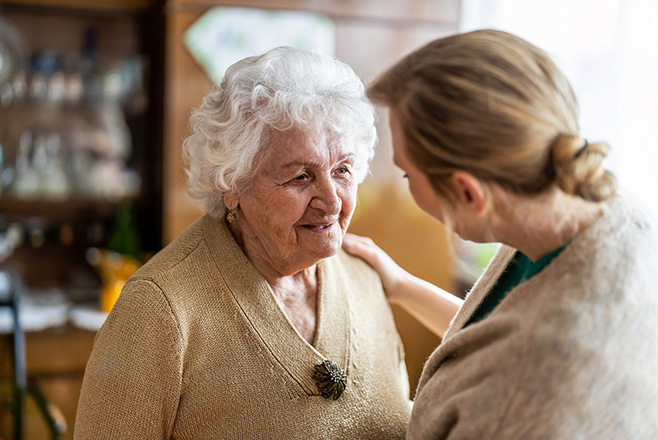
Dementia describes conditions that affect the brain and lead to problems with memory, communication, reasoning and daily living. Alzheimer’s disease is most common, followed by vascular dementia. Some people have mixed dementia.
Related conditions to consider
- Depression: Common in prisons; symptoms (for example, poor concentration, sleep problems) can mimic dementia, but depression can be treated.
- Delirium: A short‑term disturbance of consciousness and cognition that can fluctuate; risks increase with dementia, infections, medications, immobility and malnutrition. Prevention, early diagnosis and treatment are essential.
Distinguishing dementia, delirium and depression is a core skill. All who present as “confused” should be assessed carefully.
Common symptoms of dementia
- memory loss (short‑term loss is common; long-term loss can be affected later)
- communication difficulties (finding words or understanding)
- problems carrying out tasks (sequencing and doing everyday activities)
- poor concentration
- loss of recognition (objects, people, places or sounds)
- disorientation (time, date, place)
- perception and visual‑spatial difficulties; hallucinations in some
- psychological changes (disinhibition, irritability, withdrawal, low mood).
The person, family carers and the wider prison community
Care must remain person‑centred: value the person, treat them as an individual, see the world from their perspective and support relationships and meaningful activity.
Family carers often first notice change, contribute vital history, and may hold lasting power of attorney; their own needs should be assessed, including when planning release.
The wider prison community (for example, listeners, chaplains and peer supporters) should be informed and involved where appropriate.
The SPACE principles (for use across prisons)
In order to support the person and the wider prison community, here at the Royal College of Nursing (RCN), we have adapted our long-established SPACE principles in order to promote dementia care in prisons.
The RCN SPACE Principles video offers further explanation.
SPACE is an acronym which stands for:
1. Staff who are skilled and have time to care
All staff should have dementia training that is practical, accessible and based on recognised guidelines. Facilities should identify dementia clinical leads and ensure adequate staffing and skill mix.
Recommended actions include a dementia leader/champions, enhanced training for those with regular responsibilities and a culture that values person‑centred, relationship‑centred care.
Training should cover communication, assessment, life story work, meaningful activity, pain, nutrition, hydration, continence, rehabilitation, environment and end-of-life care.
2. Partnership working
Effective care is relationship‑centred and recognises the needs of the person, family and prison community. Where possible, involve family carers in assessment, care planning and decisions. Identify a staff member to liaise with families and use advocates when needed.
Signpost to in‑reach support (peer groups, charities, meaningful activity) and ensure clear referral pathways, including for end-of-life care and when people transfer between prisons. The This is Me document from the Alzheimer’s Society may help.
3. Assessment, early identification of dementia and post-diagnostic support
Aim for parity of service with the general population. Explain the reasons for assessment and make reasonable adjustments (for example, ensure the person can see and hear as well as possible).
Use agreed screening and assessment tools with local services and reassess during long sentences. Diagnosis may affect sentence and compassionate release.
Assessment should include clinical history, physical examination and blood tests, cognitive screening, collateral history and checks for depression.
Have clear delirium and depression pathways and timely post-diagnostic support. Review medication regularly; antipsychotics should be offered only when appropriate and on a short-term basis. Additionally, ensure safe access to appropriately prescribed medications, where necessary.
4. Care and support plans which are person‑centred and individual
Offer every person a named coordinator and a person‑centred plan based on biography, preferences, abilities and the way dementia affects them; clearly document mental capacity issues.
Plans should cover nutrition, oral health, dignity, comfort, continence, wellbeing, rehabilitation, activity, meaningful occupation, sleep, advance care wishes, safeguarding and end of life care; involve family and friends and include life story information and advance care planning.
Ensure plans are shared across settings, including during transitions and in the leadup to release and resettlement. Safeguarding training and risk assessments are essential for the person and others, in prison and on release.
5. Environments that are dementia friendly
Prisons can be confusing, noisy and hard to navigate. Use risk assessment to decide location; consider sensory and mobility needs and protect people from abuse or manipulation.
Key features include:
- Minimal moves to reduce distress, while enabling attendance at appointments and meaningful activity.
- Dementia friendly design (for example, appropriate lighting, flooring, signage, contrast and noise minimisation) in new builds and refurbishments; consider retrofitting in older units.
- Personalised space (personal items, photographs, recognisable colours) with risk assessment for shared cells.
- Activity and stimulation to support independence and social interaction, with peer systems or buddy arrangements where suitable.
- Sensitive use of technology (for example, reminders or prompts) with permission and in line with the law.
Conclusion: Putting the principles into practice
Source: Royal College of Nursing, Dementia Care Principles for People in Prison.
Download the full PDF to explore this topic in more detail. This may include case studies, images, tables, good practice checklists, glossaries and suggested questions to ask patients. You’ll also find a concise list of references and links to useful organisations and websites.
Resource lead
Contact details for the resource lead:
