
Case studies
Downloaded content date
Last reviewed: 19/02/2025
Case studies

This section contains three case studies providing examples of the treatment and management of diabetes.
Case study 1
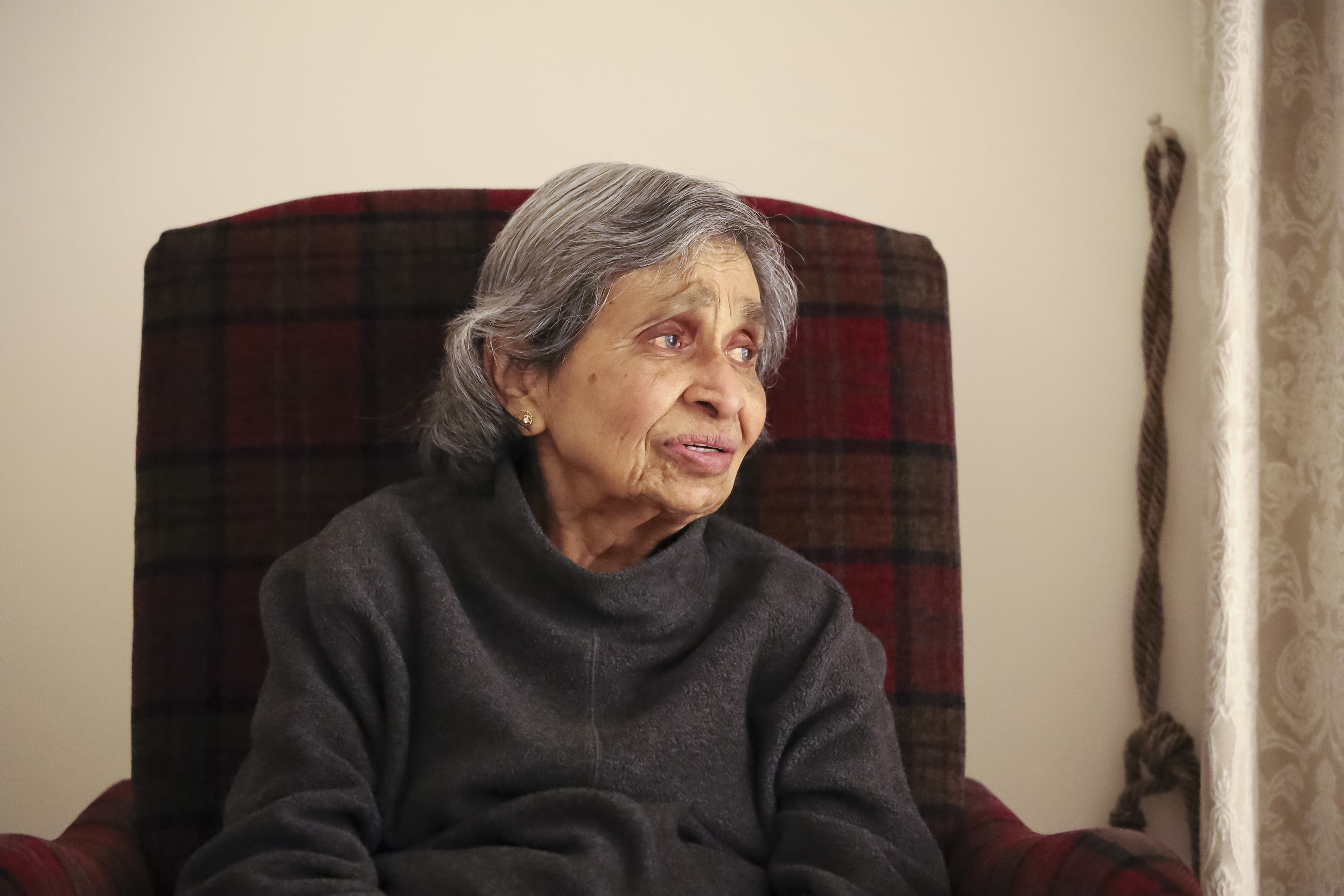
Mrs Patel is an 89-year-old widow. She has been living in a nursing home for the past two years because her family have been unable to cope with her nursing needs following a stroke in 2018, which has affected her right side and her speech. Mrs Patel is unable to manage the normal activities of daily living. She was diagnosed with type 2 diabetes 20 years ago. Mrs Patel had taken a great interest in her diabetes when she was able to but since having the stroke and the death of her spouse in 2020, she has not been able to participate in her own personal and diabetes care.
Over time Mrs Patel has become increasingly frustrated because she is unable to communicate how she is feeling, or what her needs are. Mrs Patel is on Gliclazide 80 mgs twice daily and metformin 1gm twice daily. You notice that Mrs Patel is off her food and has had very little to eat that day. The nurse in charge has given Mrs Patel her medication as prescribed at 10 am. At 2pm you notice Mrs Patel is sweating profusely, she is pale and appears to be drowsy but responds to her name.
You consider the signs and symptoms you are faced with and wonder whether Mrs Patel’s blood glucose level is ok. You inform the nurse in charge of Mrs Patel’s condition and confirm with her that you will do a blood glucose test (based on your level of competence) and take the 'hypo' kit to the bedside in case the blood glucose is less than four.
Following the capillary blood glucose test you discover that Mrs Patel’s blood glucose is 2.4mmols.
What steps do you take next?
- Record the blood glucose level on the Mrs Patel’s chart and report the result to a registered member of the staff when you have finished with your other patients
- Record the blood glucose level on the Mrs Patel’s chart and report the result to a registered member of the staff immediately
- Immediately inform a registered member of staff.
The correct answer is Option 2.
Feedback: You need to write down the glucose level so that there is a record, but this is an emergency so you must act very quickly to prevent Mrs Patel’s lapsing into a hypoglycaemic coma. Inform a registered member of staff immediately.
What is the clinical term for a low blood glucose?
- Hypoglycaemia
- Hyperglycaemia
The correct answer is Option 1.
Feedback: Hypoglycaemia (hypo) is described as a blood glucose < than 4 mmols. Glucose is a sugar carried in the blood stream that your body uses for energy. Blood glucose can be erratic at times, sometimes becoming very low when medication is taken and food is restricted or the patient is off their food.
As Mrs Patel is still conscious and responding to her name, and her swallowing reflex is intact you would aim to treat her hypo following the guidelines for the management of hypoglycaemia in the nursing home. Can you remember what the recommended treatments for hypoglycaemia are?
Feedback: Recommended treatments for hypoglycaemia:
- 10-20g glucose give by mouth
- or five jelly babies,
- or three glucose or dextrose tabs,
- or a small glass of sugary (non-diet) drink
- or a small carton of pure fruit juice
- or two tubes of a glucose gel such as GlucGel®.
If Mrs Patel does not feel better and the blood glucose is still less than than 4 mmols after 10-15 minutes repeat one of the above treatments again. When Mrs Patel starts to feel better it is advisable to give some longer-acting carbohydrate such as 1 slice of bread or 2 biscuits. Providing sustained carbohydrate will minimise further falls in blood glucose.
What was the cause of Mrs Patel’s hypoglycaemia?
- she has not eaten because she was off her food
- she had a sickness virus that meant she was not eating
- she was given her Gliclazide tablets at 10 am but she had not eaten because she had reduced appetite. Gliclazide stimulates the pancreas to produce insulin thus causing Mrs Patel to have hypoglycaemia.
The correct answer is Option 3.
Feedback: Mrs Patel was given her Gliclazide tablets at 10 am but she had not eaten because she had no appetite. Gliclazide stimulates the pancreas to produce insulin thus metabolising more glucose, reducing the circulating blood glucose levels, causing Mrs Patel to have hypoglycaemia.
You also need to be aware that Mrs Patel needs to be assessed to identify the reason for her reduced appetite. She may require a medication review because Gliclazide may not be the best medication for an elderly woman. Her kidneys may not be functioning properly, reducing the excretion of the medication beyond what the manufacturer’s specifications.
The signs and symptoms of hypoglycaemia were that Mrs Patel was sweating heavily and appeared pale.
The other signs and symptoms of hypoglycaemia are feeling anxious, trembling and shaking, tingling of the lips, hunger and palpitations
How would you prevent Mrs Patel from getting hypoglycaemia in the future?
- monitor and record Mrs Patel's fluid and food intake
- report and record any changes in eating habits to nurse in charge
- Mrs Patel may need feeding as she has difficulty with the activities of daily living
- test and record Mrs Patel’s blood glucose as prescribed by the team
- report any abnormal readings to nurse in charge
- be aware that Mrs Patel will need further assessment as to the reasons why she has a reduced appetite. For example, Mrs Patel may be feeling depressed and lonely because she lost her husband
- she may feeling generally unwell for other reasons
- Mrs Patel may require a medication review.
Feedback: All of these ways are correct.
What other factors may you consider when caring for Mrs. Patel that are relevant to management of her diabetes?
- fear and anxiety of hypoglycaemia
- hypoglycaemia unawareness
- lack of mobility and exercise
- always have glucose at Mrs. Patel’s bedside
- reasons for poor eating habits
- constipation or obstruction
- illness
- ill fitting dentures or poor oral hygiene.
Feedback: All of these ways are correct.
Case study 2
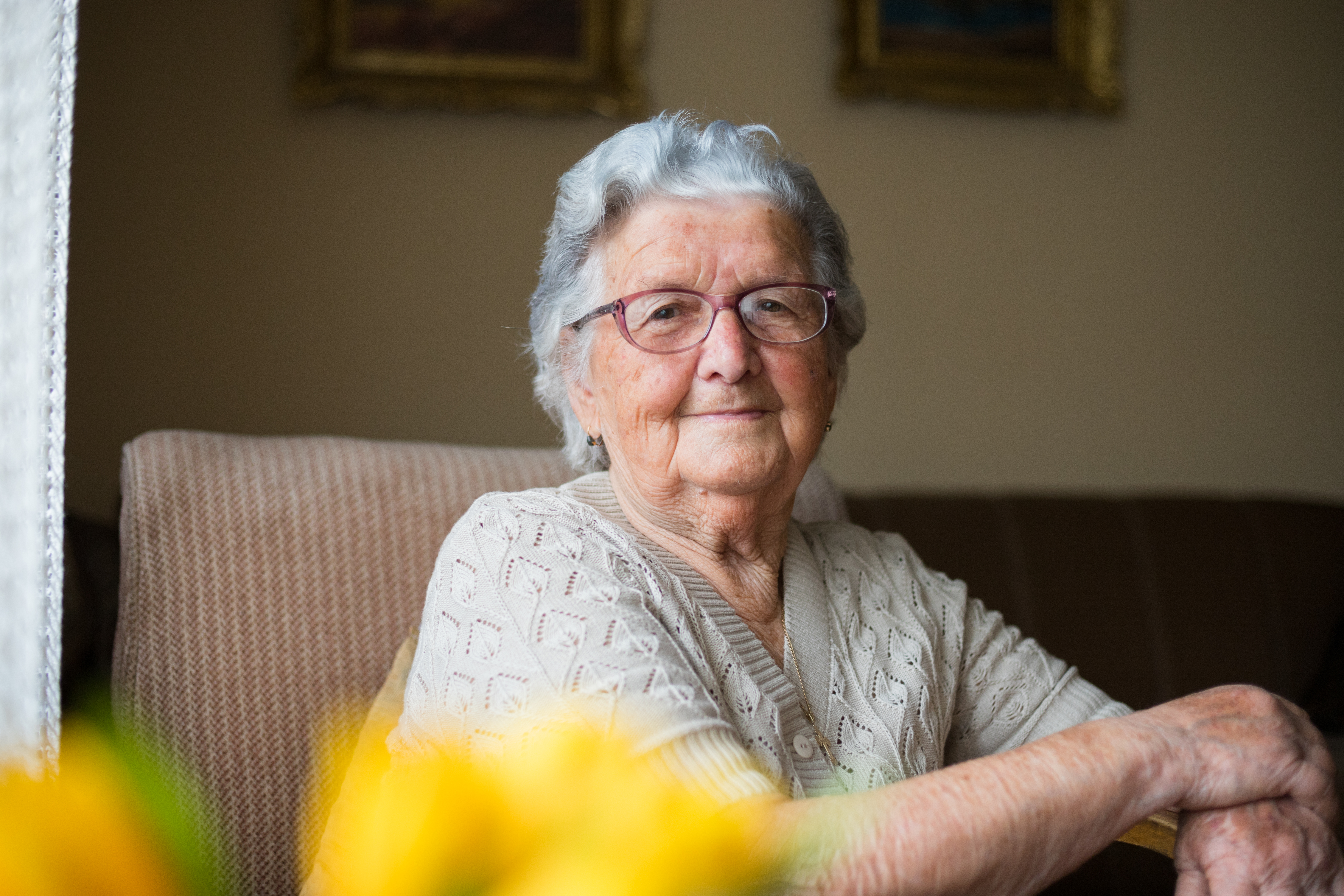
Mary, 74 years old, lives in a nursing home. She has had type 2 diabetes for 15 years and in addition to Metformin and Gliclazide takes insulin before bed to control her diabetes.
You have worked at the home for six months and have got to know Mary fairly well. Usually when her blood glucose levels are taken they range between 7 and 13mmol/l.
You are aware that the GP responsible for Mary's care is anxious to improve her blood glucose as much as possible because Mary has leg ulcers that are slow to heal. You have recently been trained to monitor blood glucose levels and have been assessed as competent. On this particular evening you monitor Mary's blood glucose level before her evening meal and the result is 21.4 mmol/l.
What do you do?
- You know that this reading is unusually high for Mary and wonder what the cause could be. In order to reassure yourself that the test is accurate you check that the blood glucose meter had had the quality assurance check that it should have each day that it is in use as stated in the homes policy. You check the record book and find that the meter had indeed been checked and was reading within the expected target range. You know that you had washed Mary's hand before you had performed the test and so you are certain that the result is as accurate as can be.
- You know that it is important to keep Mary's levels as good as possible in order to help her leg ulcers to heal. When dealing with Mary you are aware that she is her usual chatty self. There is nothing unusual about her appearance in this particular evening and she has not complained about feeling unwell. You ask her how she is feeling and she reports nothing that would suggest her high blood glucose result is a problem.
The correct answer is Option 1.
Feedback: You should make sure that this meter has been checked each day that it has been used and in line with local policy. If the meter is functioning correctly, then you would report this reading to the nurse in charge as it is outside the normal range. You would also report that Mary is her usual self and not reporting any of the symptoms of high glucose levels. The nurse in charge should then go and review Mary herself.
The symptoms of a high blood glucose level are:
- increased thirst
- feeling tired and unwell
- skin rash
- vomiting
- passing lots of urine.
Mary reports none of these symptoms.
You ask Mary if her day had been unusual in any way that may have led to this high result. Mary tells you that it was her Granddaughter’s birthday and that she had been taken out for lunch by her family. The lunch was much larger than she would usually have eaten and she had had a small piece of birthday cake.
Below are some causes for high blood glucose level. Which do you think explains Mary's increase in her blood glucose level?
- more food than normal
- illness
- infection
- less exercise than usual
- forgotten medication.
Feedback: Mary had more food than normal, some of which was sugary.
What are the consequences of a high blood glucose level?
If blood glucose levels are consistently high over a period of time they can leads a person to feeling unwell with the symptoms listed above. In addition they can delay healing if as in Mary’s situation, there are leg ulcers or wounds for example if the person was recovering from surgery. If glucose levels remain high in the very long term they can lead to the development of diabetes complications for example, eye disease, kidney disease, heart disease, peripheral vascular disease, neuropathy and increase your risk of a heart attack, stroke or amputation.
The reason for the raised blood glucose result here is the change in Mary’s daily routine. She does not feel unwell from this high glucose level. You report the high result to the nurse in charge and explain what you feel the reason for it may be. The nurse in Charge decides to re check Mary’s glucose levels during the evening and before bed. This additional testing is to monitor that the levels are returning to more normal limits for Mary and to check that the levels are not rising further. At this point, because Mary is not feeling the effects of this raised result, the nurse in Charge makes the decision not to inform the GP at this point but to continue monitoring the situation. The GP will be informed if the glucose levels rise further or if they do not return to levels more usual for Mary.
Case study 3
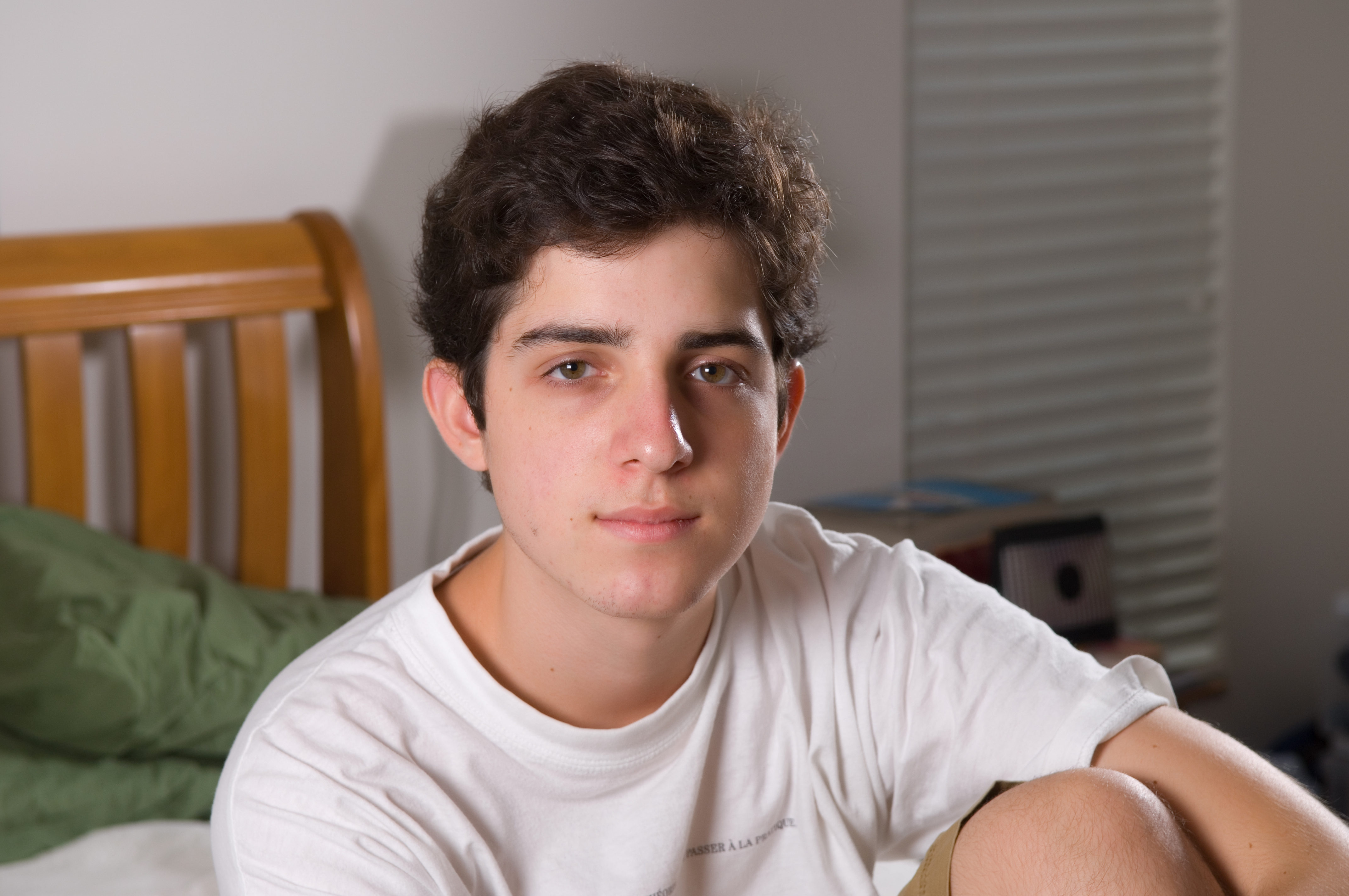
Jason is 19 years old and lives in student accommodation in the city. He comes into the surgery without having booked an appointment and asks to see the doctor or practice nurse because he is feeling unwell. The doctor is on visits and will be back soon, and the practice nurse is doing the baby vaccine clinic so is really busy. The receptionist asks if you can see him while he is waiting.
You can see that Jason looks unwell. He is a little flushed, looks very skinny and says he is a little breathless. He tells you that over the past couple of weeks he has been really thirsty and has lost over a stone in weight. He was underweight before he became unwell and is now worried because his clothes don’t fit anymore. Jason gets up at night to pass urine almost every hour but attributes this to the fact he is drinking copious amounts of water as he is so thirsty and his vision is blurred.
You wonder what could be the matter and in order to reassure Jason about his weight you decide to weigh him. You check his records and find that when he registered at the surgery when he started college his weight was 11 stone 10 lbs he now weighs 10st 9 Ibs.
What do you suspect could be the cause?
- he is not eating healthily
- he is probably drinking too much
- urine Infection.
The correct answer is Option 3.
Feedback: His symptoms and his frequency of micturition could be due to a urine infection.
What tests can you do to confirm this?
- urine test
- blood pressure test
- blood test.
The correct answer is Option 1.
Feedback: A dip stick urine test will show if there is blood present and quantify it and it will show if there are leukocytes present, these are white blood cells and are high when infection present, as we make white blood cells specifically to fight infections.
You decide to do a urine test in case his frequency of micturition is due to a urine infection. You ask him to provide a urine sample which you dip test using a urine test strip. This shows that he has a very high level of glucose and ketones in the urine and he is not known to have diabetes.
What do you do next?
- You have been trained to use this and regularly help out in the diabetic clinic so you think he probably has undiagnosed diabetes.
- You explain to Jason that as the nurse is still busy it might be useful to check his blood glucose reading as the urine has shown positive to glucose. He agrees so you do a quality control test on the meter first as you know it should be checked on a daily basis. He washes his hands to ensure there is no glucose on the fingers and then you do the test. The reading shows a blood glucose of 28.3 mmol/l.
The correct answer is Option 2.
Feedback: Yes, if you have been trained to do a blood glucose test, then you can test Jason to confirm your suspicions. A trained nurse may confirm their suspicions - an unregistered nurse should not discuss the implications of the test with Jason.
What is the diagnostic level for the confirmation of diabetes?
- Fasting plasma glucose of more than 7.0 mmol/l or a random plasma glucose of more than 11.1 non fasting
- Fasting plasma glucose of less than 7.0 mmol/l or a random plasma glucose of less than 11.1 non fasting
- Fasting plasma glucose of more than 5.0 mmol/l or a random plasma glucose of more than 9.0 non fasting.
The correct answer is Option 1.
Feedback: The diagnostic level for confirmation of diabetes is a fasting plasma glucose of more than 7.0 mmol/l or a random plasma glucose of more than 11.1 non fasting. Usually 2 laboratory tests need to be done but as Jasons blood glucose is very high and he has some of the common symptoms of type 1 diabetes there cannot be any doubt about the diagnosis ( see Diabetes UK for information on the diagnosis of diabetes).
What is the relevance of ketonuria in diabetes?
- Ketones show that the patient is not following the correct diet and he should be given advice about how to correct this
- Ketones can show which form of diabetes the patient has.
- Ketones cause the body to become acidotic which can lead to critical illness. If insulin is not received in the next couple of hours his condition will deteriorate.
The correct answer is Option 3.
Feedback: Ketonuria is a sign of either an absolute or relative lack of insulin and confirms the diagnosis of type 1 diabetes when seen with heavy glycosuria. His breath may smell of ketones (pear drop or nail varnish aroma) but not all people can detect this. Ketones are toxic and if the patient does not receive insulin in the next couple of hours his condition will deteriorate quickly and he could become very nauseated or vomit. High levels of ketones can cause the individual to become acidotic so his breathing could become laboured and he could go into coma.
What is the relevance of his thirst and polyuria?
- His body is trying to quickly remove the excess glucose by filtering it through the kidneys, so he passes copious amounts of urine. He also becomes really thirsty but will be unable to maintain his fluid balance so he has become extremely dehydrated
- It is the concentration of certain osmolites, such as salt. If the water volume of the body falls below a certain threshold or the osmolite concentration becomes too high, then the brain registers a need 'thirst'. His body has excess salt which has triggered his thirst and he needs to increase his intake of fluids to balance the levels.
The correct answer is Option 1.
Feedback: His body is trying to quickly remove the excess glucose by filtering it through the kidneys, so he passes copious amounts of urine. He will be unable to maintain his fluid balance so will become extremely dehydrated.
What should do you do next?
- He needs to be given glucose immediately and told to rest.
- He needs to be given insulin immediately.
The correct answer is Option 2.
Feedback: The young man will need to be given insulin as soon as possible will need to be admitted to hospital as an emergency for initial management and may even require intravenous insulin and intravenous fluids to correct the acidosis and dehydration. Report your findings to the registered nurse immediately – she should call the GP straight away and explain the situation.
Resource lead
Contact details for the resource lead:
