
Identification, assessment and treatment of pain in children and young people
Downloaded content date
Identification, assessment and treatment of pain in children and young people

Children and young people with learning disabilities may have significant issues with pain due to complex medical conditions. They may also have to undergo numerous painful procedures.
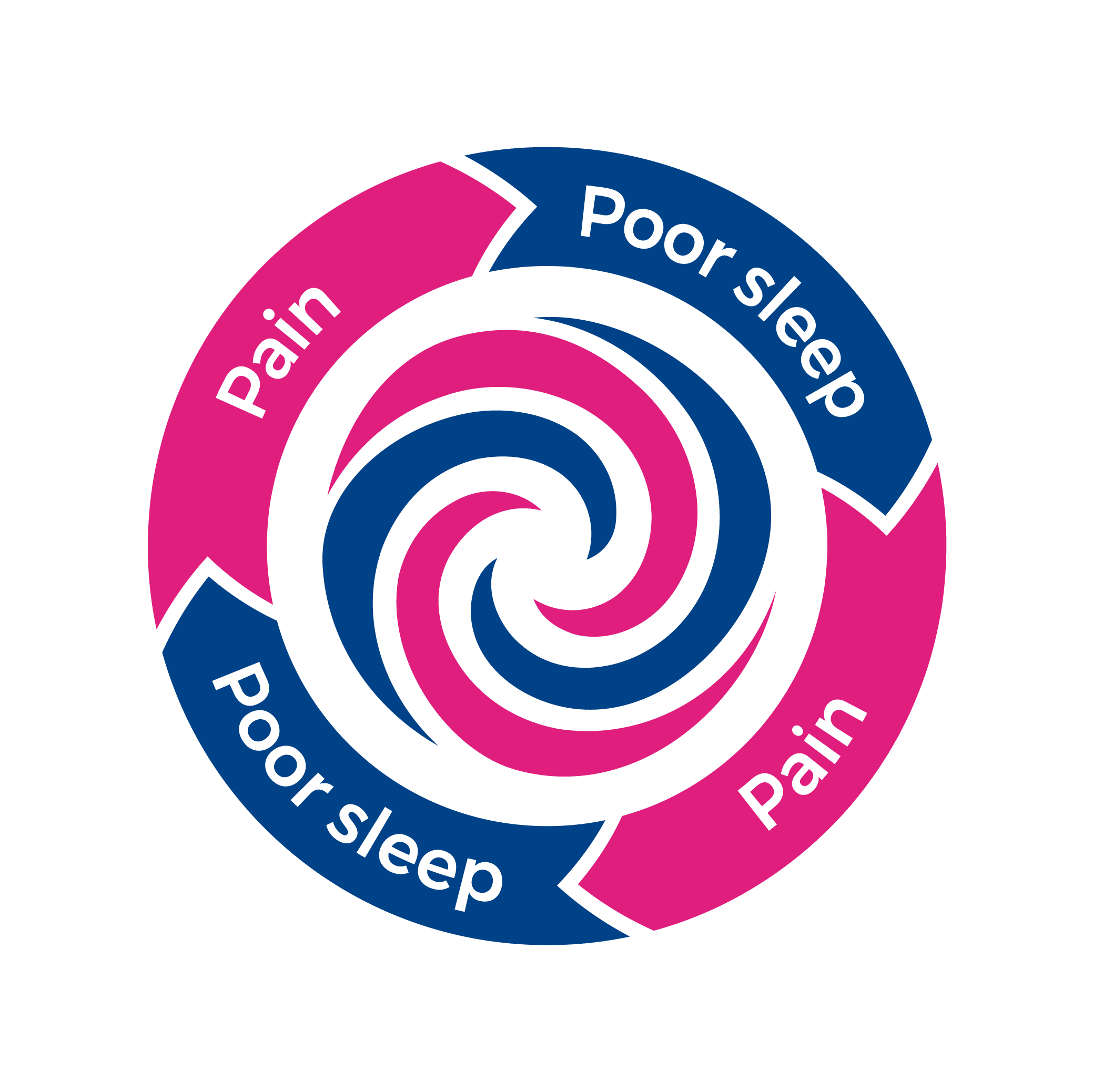
Pain may occur more frequently in children and young people with learning disabilities. Young people are also likely to suffer from sleep problems, which exacerbate pain. Recurrent pain can have a significant effect on all aspects of daily life, including:
- family interactions
- increased distress
- anxiety
- depression
- irritability
- insomnia
- fatigue
- negative coping behaviours in the child/young person and family members.
Figure 1. Pain / sleep cycle
Self-reporting is the gold standard in pain assessment if people are able to do so. However, for people with a learning disability it is often challenging as they may be unable to self-report their pain due to their levels of communication or cognitive ability.
The identification, assessment and treatment of pain in children and young people with severe neurologic impairment is considered a significant challenge, even for clinicians with expertise in symptom treatment (Hauer et al. 2017).
How children and young people may express pain
Children and young people with learning disabilities are more likely to express their pain in an atypical way, including self-injurious behaviour, such as:
- head banging
- head hitting
- biting
- scratching
- picking at their skin
- hair pulling
- eye poking.
Self-injurious behaviours are both a cause and a signal of pain and are often reduced when the cause of pain is identified and managed.
There are several conditions that children and young people with learning disabilities may suffer from, for example:
- reflux
- headaches
- spasticity and hip subluxation.
However, some children and young people with learning disabilities may exhibit self-injurious behaviours to communicate other needs.
Challenges of pain assessment in young people
Pain assessment in children and young people is complicated due to communication issues arising from the learning disability, as well as their young age. While paediatric pain assessment tools exist, they have been predominantly created for children and young people without learning disabilities.
Role of parents and carers
It is best practice to involve parents and carers, where possible, who know their child best and what is ‘normal’ for them, to help identify their pain behaviours. However, parents and carers may have difficulty in distinguishing subtle changes, or they may tolerate low to mid-range pain scores and not feel a pain management intervention is necessary.
There is also a misperception that children and young people with learning disabilities have a higher pain threshold. However, studies have proven that children and young people with learning disabilities may be more sensitive to painful stimuli. (Cascella et al. 2018; Best et al. 2019).
Pain is an individual experience, hence the need for a pain assessment, using the most appropriate tool. If in doubt, it should be presumed that pain is present, and it should be treated. It is also important to acknowledge personal beliefs and culture as these can influence how pain is perceived, expressed and managed. This makes it essential for health care providers to adopt a sensitive and person-centred approach.
Resource lead
Contact details for the resource lead: